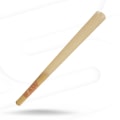
Modern wellness conversations increasingly recognize that well-being involves a combination of physical health, emotional balance, social connection, and personal lifestyle choices. Within this broader discussion, products such as RAW cones may appear in conversations surrounding cannabis culture, personal routines, and recreational habits. RAW cones are pre-rolled paper cones designed to hold material for smoking, making them a convenience-oriented product rather than a wellness treatment. Understanding this distinction is important because a product's association with a lifestyle or wellness community does not automatically make it beneficial to health. Instead, individuals can consider how recreational habits fit within their broader priorities and whether those habits support or interfere with their overall quality of life.
Separating Lifestyle From Health Claims
Wellness trends can sometimes blur the distinction between personal preference and evidence-based health practices. Someone may choose to use RAW cones as part of a recreational routine, social activity, or personal ritual, but that does not mean smoking provides a health benefit. Combustion creates smoke and substances that can irritate the respiratory system, regardless of the material being burned. Individuals who choose to smoke should understand that lifestyle branding and product design do not eliminate these risks. A balanced approach to wellness involves recognizing potential harms while making informed decisions based on reliable information rather than assuming that products associated with natural or recreational lifestyles are automatically healthier.
Considering Personal Habits and Priorities
Personal wellness goals can provide a useful framework for evaluating recreational habits. Someone focused on improving fitness may consider how smoking affects physical activity or respiratory comfort, while an individual prioritizing financial wellness may evaluate how frequently recreational purchases fit within their budget. Others may place greater emphasis on maintaining productivity, relationships, or healthy routines. Looking at the bigger picture can help individuals determine whether a particular habit aligns with their priorities. Wellness does not require eliminating every recreational activity, but it does involve becoming more aware of how everyday choices influence physical health, emotional well-being, responsibilities, and long-term goals.
Recognizing Emotional and Social Factors
Recreational habits can also have emotional and social dimensions. People may associate smoking with relaxation, social gatherings, creativity, or taking time away from daily responsibilities. These associations can become part of personal routines, but it is important to recognize when a recreational behavior begins functioning as the primary way to manage stress or difficult emotions. Individuals experiencing persistent emotional concerns may benefit from developing multiple coping strategies, such as exercise, hobbies, social connection, mindfulness, or professional support. When appropriate, resources such as Cabot Psychological Services can provide additional support for individuals working through emotional or psychological challenges without relying solely on recreational habits.
Making Informed Lifestyle Decisions
A modern approach to wellness encourages individuals to look at habits within their full context. For people who encounter RAW cones through cannabis culture, understanding the purpose of the product, the risks associated with smoking, and applicable local regulations can support more informed choices. Individuals should also be aware that cannabis itself can affect memory, attention, coordination, and judgment, and combining cannabis with alcohol or other substances may increase impairment. Ultimately, RAW cones may be discussed as part of contemporary lifestyle and recreational culture, but they should not be presented as a wellness product or substitute for healthy practices. Meaningful wellness is better supported through balanced nutrition, movement, restorative sleep, supportive relationships, responsible choices, and appropriate professional care when needed. By considering both personal preferences and potential health consequences, individuals can make lifestyle decisions that remain consistent with their broader well-being.